Organic Cotton Polo Shirt SJST-SC04 | Kuri Light
This cut-and-sew project uses Samurai Cotton and No. 10 denim uneven yarn, produced using the same spinning process as Zero 17oz, knitted into a plain weave and fleece. This special and unique yarn has a hard and uneven texture due to the strong twist that is unique to Zero denim yarn, and also strongly brings out the original texture and flavor of Samurai Cotton, which retains its cotton lint and lint.
The yarn is carefully knitted into fabric, resulting in a unique heavy and uneven look and texture, which is rough and uneven, but also soft and warm. The rib is also knitted using the same yarn.
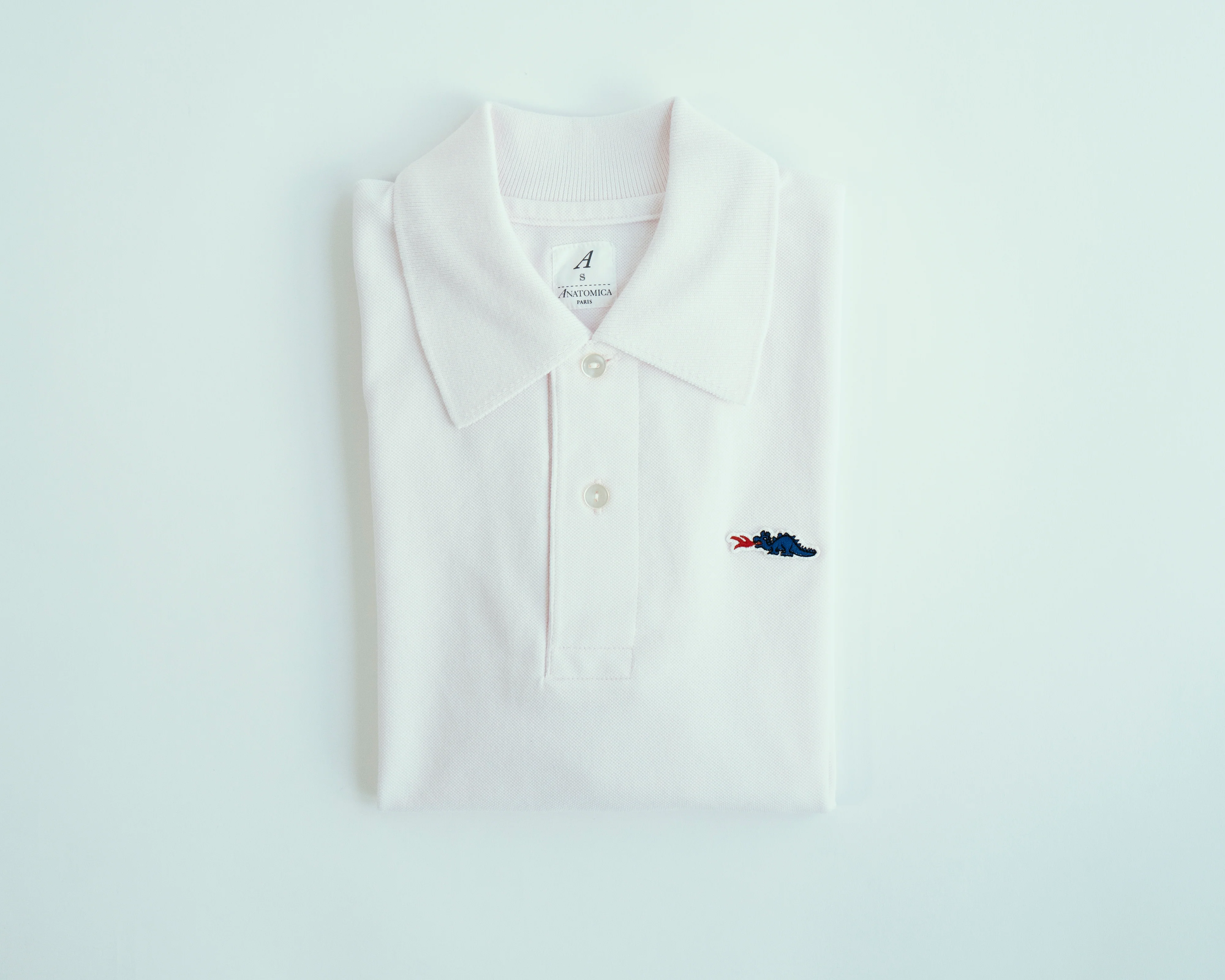
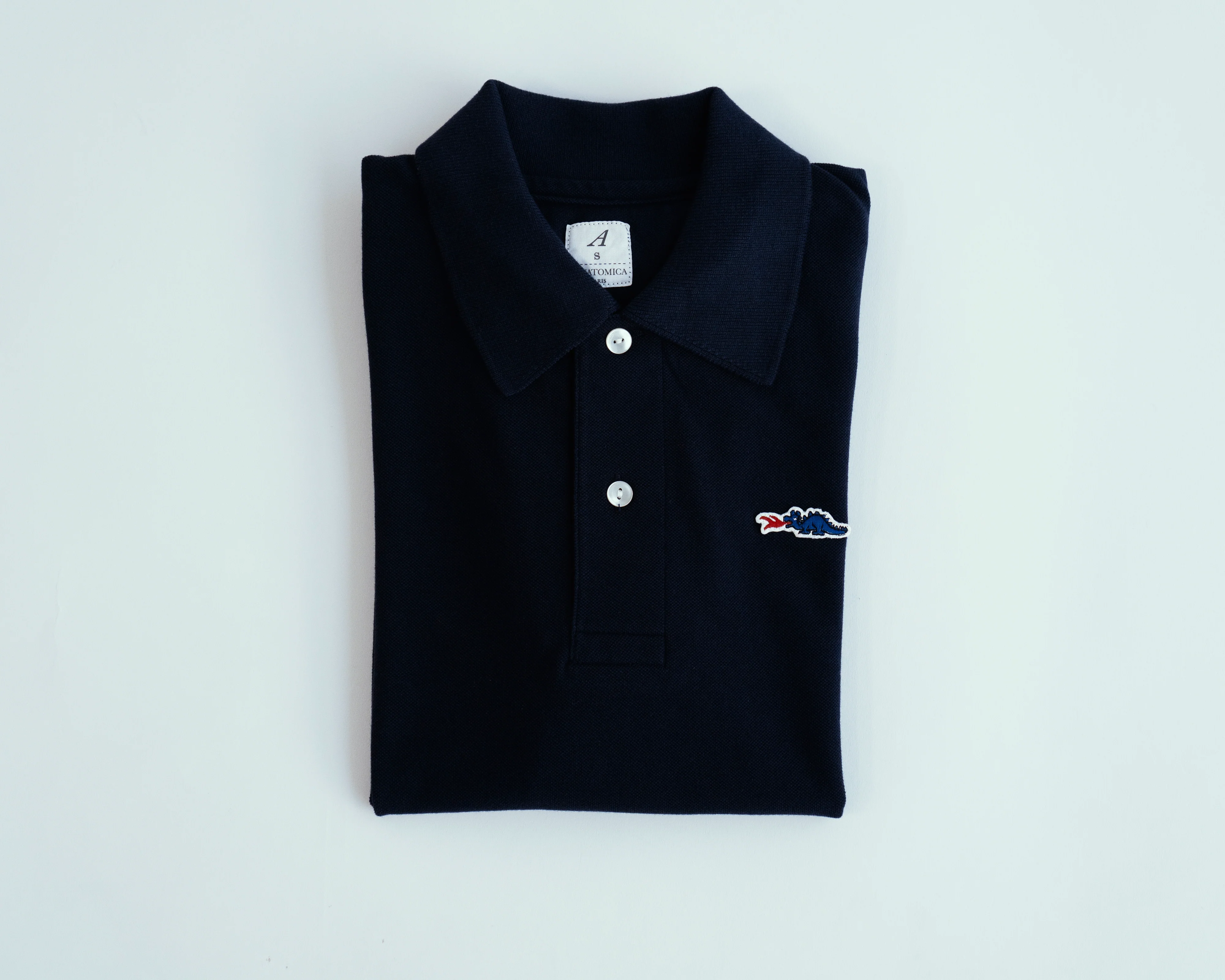
The natural color is left unbleached to preserve the original color of the Samurai Cotton yarn, leaving it a natural beige color. The black bean and chestnut colors are product dyed in a dark gray, dark brown, and beige color, respectively, using the Kyoto plant dyeing method, which mixes natural dyes.
In addition, the sewing of our products, such as at the sides and shoulders, is done carefully using all-cotton thread using our own vintage 1960s Union Special 36200, a four-needle flat-seam sewing machine.
The Samurai Homemade Jeans Project is a project that has been ongoing since 2008, with the aim of creating completely "MADE IN JAPAN" products, using cotton grown in Japan and having skilled craftsmen spin, dye, weave, and sew the resulting products.
This cut-and-sew project uses Samurai Cotton and No. 10 denim uneven yarn, produced using the same spinning process as Zero 17oz, knitted into a plain weave and fleece. This special and unique yarn has a hard and uneven texture due to the strong twist that is unique to Zero denim yarn, and also strongly brings out the original texture and flavor of Samurai Cotton, which retains its cotton lint and lint.
The yarn is carefully knitted into fabric, resulting in a unique heavy and uneven look and texture, which is rough and uneven, but also soft and warm. The rib is also knitted using the same yarn.
The natural color is left unbleached to preserve the original color of the Samurai Cotton yarn, leaving it a natural beige color. The black bean and chestnut colors are product dyed in a dark gray, dark brown, and beige color, respectively, using the Kyoto plant dyeing method, which mixes natural dyes.
In addition, the sewing of our products, such as at the sides and shoulders, is done carefully using all-cotton thread using our own vintage 1960s Union Special 36200, a four-needle flat-seam sewing machine.
The Samurai Homemade Jeans Project is a project that has been ongoing since 2008, with the aim of creating completely "MADE IN JAPAN" products, using cotton grown in Japan and having skilled craftsmen spin, dye, weave, and sew the resulting products.
Original: $8,800.00
-65%$8,800.00
$3,080.00Description
This cut-and-sew project uses Samurai Cotton and No. 10 denim uneven yarn, produced using the same spinning process as Zero 17oz, knitted into a plain weave and fleece. This special and unique yarn has a hard and uneven texture due to the strong twist that is unique to Zero denim yarn, and also strongly brings out the original texture and flavor of Samurai Cotton, which retains its cotton lint and lint.
The yarn is carefully knitted into fabric, resulting in a unique heavy and uneven look and texture, which is rough and uneven, but also soft and warm. The rib is also knitted using the same yarn.
The natural color is left unbleached to preserve the original color of the Samurai Cotton yarn, leaving it a natural beige color. The black bean and chestnut colors are product dyed in a dark gray, dark brown, and beige color, respectively, using the Kyoto plant dyeing method, which mixes natural dyes.
In addition, the sewing of our products, such as at the sides and shoulders, is done carefully using all-cotton thread using our own vintage 1960s Union Special 36200, a four-needle flat-seam sewing machine.
The Samurai Homemade Jeans Project is a project that has been ongoing since 2008, with the aim of creating completely "MADE IN JAPAN" products, using cotton grown in Japan and having skilled craftsmen spin, dye, weave, and sew the resulting products.